Dysfunction of neurotransmission precipitates in a wide range of neuropsychiatric and neurodevelopmental disorders.
In the post genomics era of personalised medicine, there is paucity of mechanistic understanding of genotype-phenotype relationships of disease variants from biophysical to behavioural levels. In addition, targeting precise intervention in neurological disorders requires the study and understanding of the mechanistic origins of these disorders.
Using a range of interdisciplinary approaches involving murine and human cells, I have over a decade of experience of probing receptor and ion channel mechanisms in neurological disorders.
In the pages below, examples of some of our work aimed at addressing the neurobiology of diseases can be found.

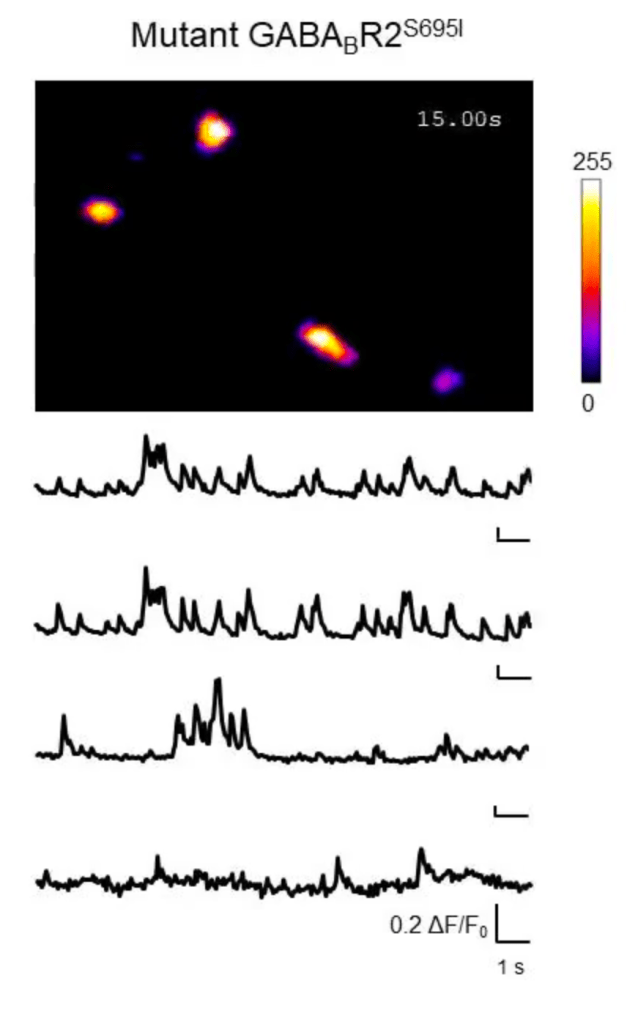

Rett syndrome: hyperactive GABAB receptors in atypical Rett
Recently, two GABAB receptor variants have been identified in several individuals with atypical Rett syndrome. In ongoing work as part of an International Rett Syndrome Foundation Fellowship, we have characterised these variants

Down syndrome: hippocampal circuit specific overhibition underlies cognitive deficits
A global elevation of GABAergic inhibition has been postulated to underlie behavioural deficits in Down syndrome. Contrary to this, our results using refined models show that the overinhibtion is more subtle affecting only specific brain circuits
 Saad Hannan