Understanding the biological mechanisms by which proteins carry out their functions is important for addressing neural circuits that underlie behaviour. I apply a range of robust cutting-edge approaches that are gold-standard in modern neuroscience to understand how synapses and brain circuits function at the molecular level.
Cell surface stability and clustering of proteins at synapses are important facets of signaling and plasticity as synaptic concentrations of proteins critically determine efficacy of synaptic signaling.
Please see below for examples of some of our work on molecular neurobiology.
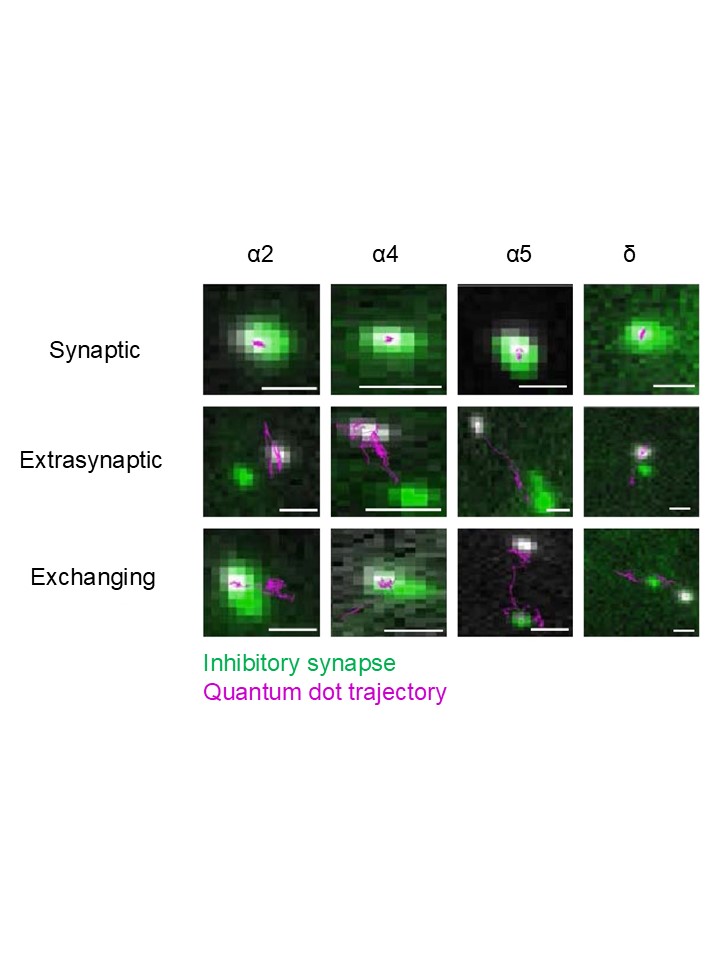
The synaptic zip code: what determines which subtypes of GABA receptors should localise to synapses?

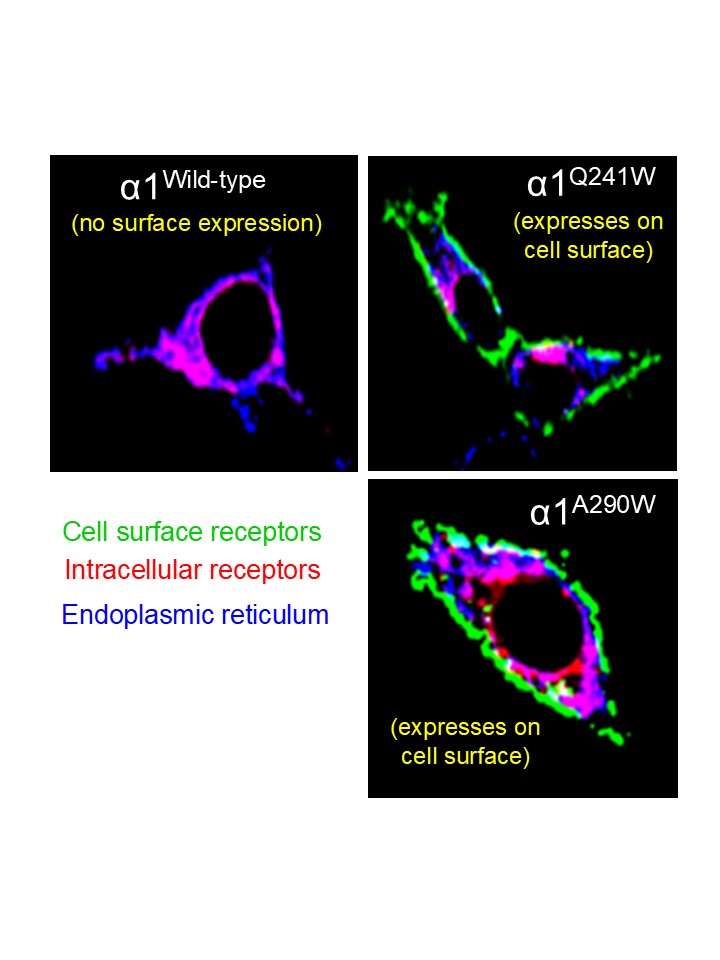

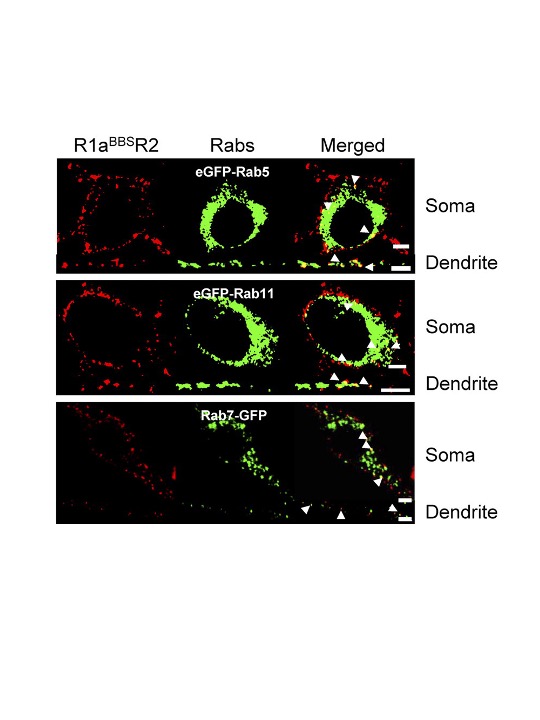
Stability in pairing up: new role of heterodimerization – greater cell surface stability of GABAB GPCRs
The GABAB receptor was the first GPCR reported to require hetorodimerization in order to be functionally active. Heterodimerization is indispensable for function as the GABA binding and G-protein coupling sites reside on two different subunits. We show that in addition to these known facets, heterodimerization increases cell surface stability of GABAB receptors.

 Saad Hannan